Yoga
One Mat, Endless Benefits: Explore the World of Yoga
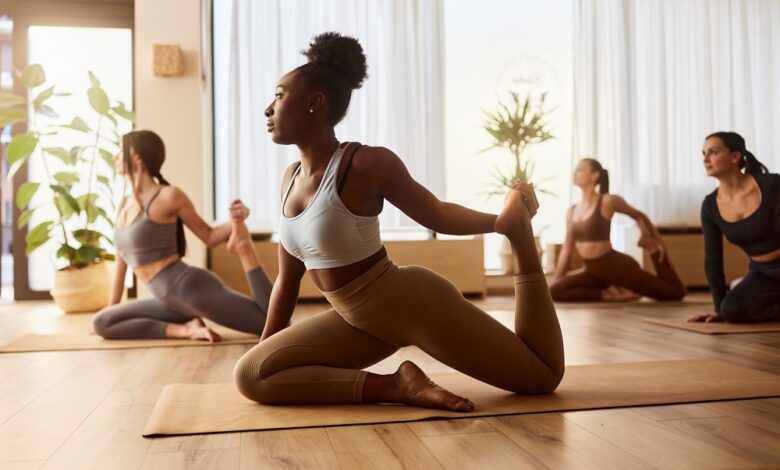
Modern lifestyles place extraordinary demands on both the physical body and mental well-being. Hours spent sitting in front of computer screens, chronic workplace stress, shallow breathing, and irregular sleep patterns slowly degrade physical vitality and mental clarity. While many fitness programs isolate muscles or focus solely on high-impact calorie expenditure, yoga offers a comprehensive, time-tested approach to overall wellness.
With nothing more than a simple non-slip mat and your own body weight, yoga serves as an accessible, versatile discipline that integrates muscular strength, joint mobility, cardiovascular function, and mental regulation. Unrolling a mat provides an intentional space to unwind physical tension, cultivate sharp mental focus, and build sustainable physical resilience.
The Physiological Science Behind the Practice
Yoga is often described in poetic terms, but its physical benefits are anchored firmly in human physiology and neurobiology. When you move through physical postures, known as asanas, and coordinate them with deliberate breath control, known as pranayama, you trigger immediate systemic adaptations throughout the body.
-
Autonomic Nervous System Regulation: Chronic stress keeps the sympathetic nervous system locked in a continuous fight-or-flight response, elevating baseline cortisol levels, raising blood pressure, and inflaming tissues. Conscious slow-paced breathing during yoga activates the vagus nerve, which stimulates the parasympathetic nervous system. This transition slows the heart rate, lowers blood pressure, and facilitates biological repair and digestion.
-
Myofascial Release and Joint Lubrication: Prolonged static postures, like sitting at an office desk, cause the body’s connective fascia to become stiff, sticky, and dehydrated. Moving joints through dynamic, full ranges of motion distributes synovial fluid throughout joint capsules and hydrates connective tissues, relieving stiffness and preventing cartilage breakdown.
-
Isometric Strength and Neuromuscular Control: Unlike traditional weight lifting that relies heavily on concentric and eccentric contractions, yoga heavily utilizes isometric muscle contractions. Holding postures forces deep stabilizing muscles around the spine, hips, and shoulders to contract continuously, building functional core strength and balance.
Exploring the Major Styles of Yoga
Yoga is not a monolithic practice. Over centuries, it has diversified into numerous specialized disciplines tailored to different physical needs, fitness levels, and therapeutic goals. Finding the right style ensures you remain consistent and avoid burnout or injury.
Hatha Yoga
Hatha serves as the foundation for most modern physical yoga practices. It moves at an approachable, deliberate pace, focusing on one static posture at a time with structured breathing between movements.
-
Pace: Slow to moderate.
-
Focus: Foundational alignment, posture mechanics, and basic breath awareness.
-
Ideal For: Beginners learning foundational shapes, older adults, and anyone seeking a balanced, low-stress movement session.
Vinyasa Flow
Vinyasa translates roughly to placing in a special way. This style links individual postures into continuous, fluid sequences synchronized directly with inhales and exhales.
-
Pace: Dynamic and moderate-to-fast.
-
Focus: Cardiovascular endurance, rhythm, heat generation, and dynamic balance.
-
Ideal For: Individuals who prefer continuous movement, athletic conditioning, and working up a moderate sweat.
Ashtanga Yoga
Ashtanga is a rigorous, structured, and disciplined methodology created by K. Pattabhi Jois. It involves performing an exact, unchanging sequence of demanding postures linked by dynamic jump-backs and focused breathing.
-
Pace: Fast, demanding, and athletic.
-
Focus: Progressive strength, physical stamina, flexibility, and internal heat.
-
Ideal For: Experienced practitioners who thrive on disciplined repetition and intense physical challenges.
Yin Yoga
Yin yoga targets the deep, non-elastic tissues of the body, including the ligaments, bones, joints, and deep fascial networks. Rather than active muscle contraction, practitioners passively hold seated or reclined poses for three to five minutes with relaxed muscles.
-
Pace: Extremely slow and static.
-
Focus: Connective tissue elasticity, joint mobility, mindfulness, and patience.
-
Ideal For: Athletes needing deep recovery, office workers with stiff hips, and individuals managing high levels of mental anxiety.
Restorative Yoga
Restorative yoga is designed purely for deep rest and nervous system reset. The body is completely supported by props such as bolsters, folded blankets, and foam blocks, allowing muscles to release tension without physical exertion.
-
Pace: Passive, quiet, and restful.
-
Focus: Stress reduction, healing, sleep quality, and active rest.
-
Ideal For: Individuals recovering from illness, chronic fatigue, injury, or burnout.
Transformative Benefits of a Consistent Practice
Committing to a regular practice yields widespread benefits that extend far beyond the physical boundaries of the mat.
Enhanced Functional Flexibility and Posture
Modern life encourages repetitive forward-slumping postures: rounded shoulders, forward neck positions, and compressed hip flexors. Yoga systematically opens the anterior chain through chest openers and backbends, while stretching tight hamstrings and calves. This restores natural spinal curvature, relieves tension headaches, and eliminates chronic lower back aches.
Total Body Strength and Stability
Holding your own body weight in challenging positions, such as downward-facing dog, plank variations, and single-leg standing balances, builds lean muscle mass without bulky machinery. It recruits small stabilizing muscles, particularly around the ankles, knees, pelvis, and rotator cuffs, reducing your vulnerability to accidental sprains, slips, and joint strains in daily life.
Enhanced Mental Clarity and Emotional Equanimity
The physical challenge of holding an uncomfortable pose while maintaining a calm, steady breath acts as stress inoculation. It trains your brain to remain composed and observant under physical tension. This mental discipline translates directly into daily life, helping you navigate stressful work meetings, emotional conflicts, and life hurdles with a clear, composed mindset.
Better Respiratory Efficiency
Most people breathe shallowly into their upper chests, using only a fraction of their lung capacity. Yogic breathing techniques teach complete diaphragmatic expansion. By strengthening the diaphragm and improving alveolar gas exchange, yoga optimizes oxygen delivery to active tissues, reduces carbon dioxide buildup, and boosts daytime energy levels.
Setting Up an Effective Home Practice
You do not need an expensive boutique studio membership to reap the rewards of yoga. Creating a sustainable home environment requires minimal equipment and simple organizational principles.
-
Choose a Dedicated Space: Select a quiet corner with sufficient room to extend your arms and legs fully without hitting walls or furniture. Keep this area free of clutter to minimize visual distraction.
-
Invest in a Quality Mat: A dense, high-grip mat provides necessary traction for sweaty palms and protects your knees, wrists, and tailbone from hard floor surfaces.
-
Utilize Basic Props: A pair of high-density foam blocks, a sturdy cotton strap, and a firm blanket will allow you to modify difficult poses safely, bringing the floor closer to you when your flexibility is limited.
-
Start with Manageable Consistency: Practicing for fifteen minutes every single day produces far superior neurological and physical adaptations compared to doing a single ninety-minute class once a week.
Frequently Asked Questions
Do I need to be naturally flexible before I start doing yoga?
Saying you are too stiff to do yoga is like saying you are too dirty to take a shower. Flexibility is an outcome of the practice, not a prerequisite. Yoga meets you at your current range of motion, and using props like blocks or straps allows you to modify every posture to match your current structural capabilities safely.
How does yoga compare to traditional strength training for building bone density?
Yoga is an effective weight-bearing exercise that stimulates bone remodeling through mechanical tension. Holding isometric poses against gravity causes muscles to pull on bones, prompting osteoblasts to lay down new bone tissue. While heavy resistance training offers higher peak loads, yoga provides multidirectional skeletal loading that strengthens the hips, wrists, and spine with minimal risk of joint compression.
Can yoga help manage high blood pressure?
Consistent yoga practice, particularly styles that emphasize slow diaphragmatic breathing and long restorative postures, has been clinically shown to reduce systolic and diastolic blood pressure. By dampening sympathetic nervous system output and improving arterial elasticity, regular practice helps naturally lower vascular resistance over time.
Is it safe to practice yoga while managing a lumbar disc injury?
Individuals with active lumbar disc issues must approach yoga with specific modifications. Deep, rounded forward folds and aggressive spinal twists can increase intradiscal pressure. Working with an experienced instructor to focus on neutral spine postures, gentle hip opening, and core stabilization can safely support spinal rehabilitation without aggravating injured discs.
How soon after eating a full meal should I wait before stepping on the mat?
Because yoga involves abdominal compression, inversions, and twists, practicing on a full stomach can cause indigestion, acid reflux, or nausea. It is best to wait two to three hours after a heavy meal before practicing. If you need a quick boost of energy within an hour of your session, opt for a small, easily digestible light snack like half a banana.
Why do some people feel emotional or tearful during deep hip-opening poses?
The pelvis and hips hold significant neuromuscular tension, often acting as a physical holding pattern for chronic stress and somatic bracing. When you hold intense hip-opening postures like pigeon pose for several minutes, the deep release of tight connective tissue and muscle fibers can trigger a sudden reduction in tension that surfaces as an emotional release.
What is the primary functional difference between yoga and simple static stretching?
While static stretching isolates individual muscles to lengthen muscle fibers, yoga integrates the entire muscular and nervous system. Yoga combines isometric strength, multidirectional movement, dynamic balance, and deliberate breath control, creating functional motor control and active mobility rather than passive flexibility alone.