
Can AMD Be Cured or Only Managed?
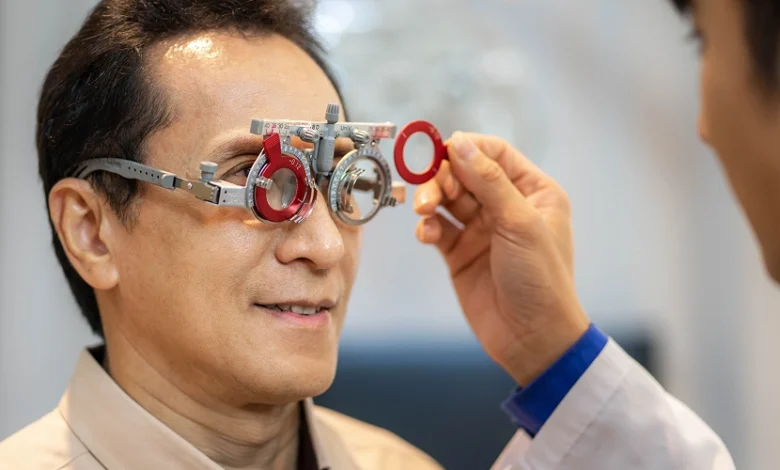
Age-related macular degeneration (AMD) is one of the leading causes of vision loss, particularly among older adults. A common question many patients ask after diagnosis is whether AMD can be cured or if it can only be controlled over time. Understanding how the condition works and what to expect from AMD disease treatment can help individuals make informed decisions and better manage their eye health.
Understanding AMD and Its Impact
AMD affects the macula, the central portion of the retina responsible for clear and detailed vision. As the macula deteriorates, tasks such as reading, driving, and recognizing faces become increasingly difficult. There are two main types of AMD: dry and wet.
Dry AMD develops slowly and is more common, while wet AMD progresses more rapidly due to abnormal blood vessel growth beneath the retina. Both forms can significantly impact quality of life, which is why early detection and timely AMD disease treatment are essential.
Can AMD Be Completely Cured?
At present, there is no definitive cure for AMD. Once the retinal cells in the macula are damaged, they cannot regenerate naturally. This makes it impossible to fully restore vision that has already been lost. However, this does not mean that the condition is untreatable.
Advances in AMD disease treatment have made it possible to slow down the progression of the disease and, in some cases, stabilize vision for long periods. Ongoing research continues to explore potential breakthroughs, including gene therapy and regenerative medicine, but these are still under investigation.
How AMD Is Effectively Managed
Although AMD cannot be cured, it can be effectively managed with the right approach. The goal of management is to preserve remaining vision and prevent further deterioration. For individuals with dry AMD, management often includes regular monitoring, lifestyle changes, and nutritional supplements designed to support eye health.
In cases of wet AMD, more active AMD disease treatment is required. This typically involves medications that target abnormal blood vessel growth, helping to reduce leakage and swelling in the retina.
The Role of Early Detection
Early detection plays a crucial role in managing AMD successfully. Many people may not notice symptoms in the early stages, which is why routine eye examinations are so important. Detecting the condition early allows for timely AMD disease treatment, which can significantly slow progression and improve long-term outcomes. Simple tests, such as retinal imaging and vision assessments, can help identify subtle changes before they become severe.
Lifestyle Changes That Support Treatment
In addition to medical care, certain lifestyle changes can help support overall eye health and complement AMD disease treatment. Maintaining a balanced diet rich in leafy greens, fruits, and omega-3 fatty acids can provide essential nutrients for the eyes.
Regular exercise and proper blood pressure control also play a role in reducing disease progression. Avoiding smoking is particularly important, as it is a major risk factor for AMD and can worsen its effects over time.
What Patients Can Expect Long-Term
Living with AMD requires ongoing care and regular monitoring. While some individuals may experience gradual vision changes, others can maintain stable vision for years with proper management. Treatment plans may need to be adjusted over time depending on how the condition progresses.
Regular follow-ups with an eye specialist ensure that any changes are addressed promptly. With consistent AMD disease treatment and proactive care, many patients are able to maintain independence and continue daily activities.
Conclusion
While AMD cannot currently be cured, it can be effectively managed with modern medical approaches and healthy lifestyle choices. Understanding the condition and seeking early care are key steps in protecting vision.
Advancements in AMD disease treatment continue to improve outcomes, offering hope for better management and potentially new solutions in the future. By staying informed and committed to regular eye care, patients can take control of their condition and preserve their quality of life.